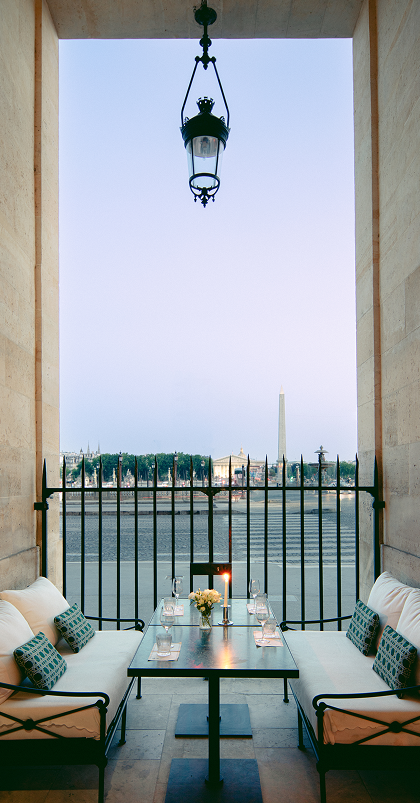
More than a simple expression, the French art of living describes a precise cultural construction, a conscious relationship to time, space and materials. This concept, which fascinates people around the world, is not built around ostentation but is rooted in a constant search for harmony, elegance and refinement.
Understanding this art of living requires examining its historical foundations in order to grasp its most accurate contemporary expression: that of a discreet luxury in which exceptional craftsmanship fades behind the emotion of a suspended moment, whether expressed through a memorable table or a place steeped in history.
What Is the French Art of Living?
Defining the French art of living means moving beyond superficial clichés to reach a true philosophy of everyday life.
This concept is characterised by the transformation of ordinary gestures (eating, entertaining, arranging a space, conversing) into aesthetic and poetic rituals. It is a permanent quest for balance in which refinement is paired with apparent simplicity. In France, luxury does not lie in displays of wealth, but in the appreciation of rightness and culture.
The fundamental values of this ideal translate into intangible pillars:
- Respect for artisanal traditions combined with constant creative boldness.
- The importance given to conversation and the spirit of the salon, where dialogue is an art in itself.
- The celebration of terroir and local history as primary sources of inspiration.
At Butler Collection, these principles come to life in each of our houses. Every address draws its identity from its history, its neighbourhood and its architectural heritage, while offering a resolutely contemporary vision of hospitality. This blend of heritage and creation shapes singular places where every detail contributes to an experience that is as elegant as it is authentic.
Origins and History of a Founding Concept
The French art of living finds its founding structures in the 17th century, under the reign of Louis XIV. At that time, gastronomy, architecture, fashion and the art of entertaining were raised to the status of state disciplines, codifying what all of Europe would call good taste. The influence of the Court set standards of politeness, table manners and display.
In the 18th century, the emergence of literary salons and grand Parisian private mansions shifted this ideal from the Court to the private sphere. Refinement became more intimate and more subtle. Attention turned to the fluidity of civil exchange, the intimacy of hushed salons and the quality of the table, laying the foundations of today's establishments and of what would become the most beautiful restaurants in Paris. Spaces were from then on designed for the comfort of the mind, combining high ceilings, authentic parquet floors and carefully studied natural light.
The Main Characteristics of the French Way of Life
The semantic universe of the art of living revolves around four cardinal values that balance one another: refinement, elegance, simplicity and discreet luxury.
Refinement and Innate Elegance
French refinement is expressed in the meticulous choice of details that are invisible at first glance: the perfect cut of a garment, the sound of a room, or the olfactory signature of a salon.
Elegance is never forced; it is displayed in a relaxed, almost unintentional way, marrying the classicism of historic structures with the modernity of contemporary lines.
Simplicity Combined with Discreet Luxury
True French luxury is confidential and exclusive. It rejects ostentation in favour of authentic materials, preserved anonymity and highly technical service.
An exceptional table therefore does not seek to impress with an accumulation of rare ingredients, but through the sublimation of a simple, fresh product, captured at the peak of its season.
Concrete Examples of the French Art of Living in Everyday Life
The French art of living is not something to be contemplated in museums; it is lived through concrete habits that shape the days of aesthetes in the heart of the capital.
Gastronomy and the Art of the Table
The meal in France is recognised as intangible heritage and is lived as a true shared sensory experience. Whether it is sun-drenched Mediterranean cuisine celebrating seafood or a legendary brasserie reinventing the spirit of the cabaret, the standards of Butler Collection's venues remain the same.
The table becomes a space for sharing where the technical mastery of a starred chef meets the rigour of wine pairing, celebrating light Provence rosés or great traditional wine estates.
Savoir-Vivre, Leisure and Decor
Savoir-vivre shows in the choice of iconic and confidential addresses when looking for where to dine in Paris away from the urban bustle. It is illustrated by:
- a lunch on a calm, tree-lined terrace in the very centre of Paris,
- a chic evening suspended above the movement of the Seine.
As for decor, the authentic Haussmannian apartment serves as the reference: period mouldings, antique fireplaces, majestic ceiling heights, all enhanced by modern artistic touches.
How to Adopt This Art of Living Today
Bringing the principles of the French art of living into modern daily life is not a matter of nostalgia, but of a discipline of choice centred on quality and disconnection.
To make this philosophy of life your own, follow a few simple, actionable recommendations:
- Favour slowness by protecting mealtime, turning dinner into an interlude devoted to conversation.
- Select objects from artisanal and historic manufacturers, valuing the craftsman's story over the logo.
- Choose exclusive places to live and entertain, conceived as a true luxury "home", combining intimate comfort with prestigious standing.
Key Takeaways on the French Art of Living
- The French art of living is defined as a global search for harmony, transforming everyday gestures into aesthetic rituals.
- Its historical foundations go back to the 17th and 18th centuries, eras that codified architectural, gastronomic and social good taste.
- Discreet luxury prevails over ostentation, emphasising the intrinsic quality of materials, the authenticity of products and the confidentiality of experiences.
- The table and exceptional salons remain the key spaces of this way of life, carrying conviviality, technical mastery and culture.